Thursday, September 14, 2017

HOW TO EAT FLAX/CHIA/ALSI SEEDS? HEALTH BENEFITS, TIPS AND RECIPE


HOW TO EAT FLAX SEEDS? HEALTH BENEFITS, TIPS AND RECIPE


Flax / Chia seeds are one of man’s earliest cultivated ‘superfoods’, tracing their history to 3000 BC in Babylon. There are tales of King Charlemagne who made it compulsory for his subjects to consume flax seeds daily.
Somewhere between then and now, the seed got pushed to the back shelf. It’s time to bring flax seeds benefits back up front.
The seeds contain just the right amount of fibre, antioxidants and omega-3 fatty acids, and are excellent for your skin, hair and overall health.


Flax Seed Smoothie


Ingredients::


2 Tbsp flax seeds
1 cup flavored soya milk or normal milk
1/2 cup chilled and roughly chopped bananas
2 tsp honey
Garnish: 2 bananas slices

Method:

1. Add  bananas, flax seeds and honey in soya milk, blend in a juicer till the mixture is smooth and frothy.

2. Pour equal quantities of the smoothie into 2 individual glasses.

3. Serve garnish with banana slices.


Benefits


#1 Prevents cancerThe antioxidants contained in flax seeds work like armour, protecting you from cancers of the breast, prostate and colon.
#2 Improves digestionThe high amounts of fibre aid the digestive process by improving the absorption of nutrients, and also keep the stomach full for longer.
#3 Keeps the heart healthyFlax seeds can help lower blood pressure, prevent hardening of arteries and also slow down deposition of plaque.
#4 Lowers high cholesterolDaily consumption of flax seeds can significantly lower cholesterol levels, keeping a check on heart diseases and obesity.
#5 Controls diabetesDiabetics who consumed flax seeds regularly saw a considerable reduction in insulin resistance and also had stabilised blood sugar levels.
#6 Combats inflammationConsuming flax seeds regularly can help fight swelling and inflammation in people who suffer from a deficit in omega-3 fatty acids.
#7 Lowers incidence of hot flashesJust 2 tablespoons of ground flaxseeds can reduce hot flashes by half in peri-menopausal and post-menopausal women.
#8 Encourages healthy bowel movementIf the inside of your body is performing perfectly, the result will show on your skin. A healthy, proper bowel movement prevents skin diseases and encourages newer, healthier skin cells.
#9 Keeps skin healthyThe omega-3 fatty acids in flax seeds minimise skin rashes, irritation and redness, and also help wounds heal faster.
#10 Moisturises skin seeds help the body secrete more oil, and keep it soft and supple, making it perfect for your winter diet. Massaging the skin with flax seed oil prevents moisture from escaping and also keeps wrinkles at bay.
#11 Protects from the sunFlax seeds offer protection against skin damage from sun exposure and prevent skin cancer.
#12 Fights acneFlax seeds control the production of sebum that could lead to acne. For acne-free skin, eat 1-2 tablespoons of ground flax seeds daily.
And here are some flax seeds benefits for hair:
#13 Stops hair breakageEating flax seeds makes your hair elastic and strong, and prevents hair breakage.
#14 Prevents dandruffUse flaxseed oil for hair to keep your scalp nourished and moisturised, and prevent flaking and dandruff. After applying flaxseed oil use Head & Shoulders Lemon Fresh shampoo for further dandruff reduction.
#15 Fights male baldnessFlax seeds fight the enzyme that leads to male baldness.
The only downside is that our bodies cannot digest whole flax seeds. In their powdered form, there are many ways you can add them to your diet.
  1. Mixed with water, as an egg substitute in baked goods
  2. In breakfast oats, cereals, raita and smoothies
  3. Add flax seed powder to bring a new dimension to your curries
  4. Sprinkle liberally in mayonnaise on your sandwich
  5. Edible flax seed oil can be used as a salad dressing
Add flaxseeds to your daily health routine. Buy the seeds whole and grind them at home in a coffee grinder. Store in a cool place and consume quickly for the maximum health benefit.

Hope you have liked it, pls press the follow button on the right side of the page to see upcoming articles or recipes.


Saffron/Kesar Barfi


                        Saffron/Kesar Barfi.                                                                      

Category : Sweets

Kesar Barfi is very awesome and easy to make. It is made with milk, khoya and kesar (saffron). A light flavor of cardamom is given, which makes the barfi even more tastier. Kesar (Saffron) is the most expensive spice and healthy too. It is also an antioxidant. So, consumption of kesar is good for health. So, lets make this barfi and become healthy.


Ingredients for making Kesar Barfi


  • 1 cup Khoya (Mawa)
  • 1 1/2 tablespoon Milk
  • 4 strands of Saffron (Kesar)
  • 3 pinch Cardamom (Elaichi) Powdered 
  • 1/4 cup Sugar
  • 1 teaspoon Ghee (for greasing)
  • a pinch of Yellow food color
  • Pistachios

Method for making Kesar Barfi


  • Take a pan. Add the crumbled khoya and sugar.
  • Mix well in a medium flame, till the sugar dissolves.
  • Soak saffron in milk for sometime and mix well.
  • Add this to the khoya mixture. Also add the cardamom powder and mix thoroughly.
  • Let the flame be medium for 7-8 minutes.
  • Pour this mixture in a greased plate. Level the barfi all over and let it set and cool down.
  • Cut into any shape of your choice and garnish with pistachios.

Hope you have liked the recipe,pls press the follow button on the right side of the page to see upcoming recipes.

Cookbook by Shalini: 7 must-have Ayurvedic herbs in your kitchenWhe...

Cookbook by Shalini: 7 must-have Ayurvedic herbs in your kitchen Whe...: 7 must-have Ayurvedic herbs in your kitchen When rightly set, your kitchen can be a treasure trove of healing medicines. The he...

7 must-have Ayurvedic herbs in your kitchen


When rightly set, your kitchen can be a treasure trove of healing medicines. The herbs and spices stored here can effectively ward off several common ailments, while also providing vital vitamins that our body requires on daily basis. Listed here are 7 essential Ayurvedic herbs that ‘should’ be ever available in your kitchen, due to the immense health benefits they offer, and due to the role they play in healing various ailments. They can be used as part of regular cooking, and can be used in treating various ailments.

Ginger (Adrak)


Ginger is sure to have its place in every home. Although the medicinal value of ginger is well-known, a particular mention has to be made about the anti-inflammatory properties of ginger. It is commonly used for relief from headache, reducing joint pains, aiding digestion and also helps in cases of nausea and vomiting. If this herb is readily available in your kitchen, you can make a paste of one teaspoon of dry ginger powder with two teaspoons of water, and in case of headache, this can be applied onto the forehead for a few minutes for good relief.

Carom seeds (Ajwain)


The ayurvedic herb Ajwain is beneficial in pacifying Vata and Kapha, but increases Pitta. According to Ayurveda, Ajwain is a powerful cleanser, and is beneficial in stimulating appetite, improves digestion, alleviates acidity and helps in effective functioning of respiratory system and the kidneys. For instance, a paste of ajwain and jaggery can help in treating Asthma, and also helps in relief from cold. Ajwain is usually added to food in Indian cooking to ease digestion. It can also be used in combination with other spices like turmeric, pepper, cumin etc. Ajwain can also be added to warm water and sipped to treat indigestion and stomach pain.

Turmeric


The healing properties and health benefits of this Ayurvedic herb are innumerable. It is an excellent analgesic, anti-inflammatory and anti-bacterial herb, excellent in preventing infection and treating wounds. It also reduces joint pains, strengthens spine and joints, and is an excellent remedy for cold and cough. Can be consumed by adding to milk and bringing it to boil, and also make sure to include this wonder herb when cooking food. Turmeric is also excellent for liver health.

Basil leaves (Tulsi)


In Ayurvedic treatments, basil leaves are used for their antiviral, antioxidant, anti-inflammatory and anti-bacterial properties. It is useful in treating wounds due to its antiseptic property. The leaves also help relieve chest congestion. There can be no better cure for phlegm during a bout of cold, than chewing a few fresh basil leaves. Also, gargling with water boiled with basil leaves is useful to cure sore throat. Externally, when applying on wounds, grind few basil leaves and mix with sandalwood powder, and apply on the affected part to reduce pain. Also, a mixture of juice of basil leaves, together with coconut oil, can be applied on cuts and wounds.

Giloy/Amrith


Amrith is another herb that Ayurveda considers to have rejuvenating properties, as it is commonly grown in kitchen gardens. Amrith is best used as a health tonic or a health drink in combination with other herbs. It helps by boosting immunity, can be used to treat chronic fever, diabetes, improves digestion, treats arthritis and respiratory problems. Amrith can detoxify the liver and strengthen its functioning. But, on long-term use, the Ayurvedic physicians warn that using this herb can lead to liver issues. Therefore, this herb is best-used under an Ayurvedic practitioner’s guidance.

Licorice


Licorice has been used since ancient days as an Ayurvedic remedy to cure liver ailments like non-alcoholic fatty liver disease. Ayurveda recommends the root as beneficial in treatment of cold, coughs, and other bronchial irritations. It also helps treat a host of skin problems, respiratory problems, and digestive ailments. Licorice roots can be powdered at home, and added to boiling water when making tea. Steep it in for a few minutes, and strain the liquid.

Indian Gooseberry (Amla)


As it is well-known, the Indian Gooseberry is loaded with vitamin C. But, the less-known fact is that it works to keep the liver functioning at optimal levels. Amla has been used in ayurvedic treatments for thousands of years. The herb is widely used in Ayurveda for treatment of sluggish liver. It supports healthy metabolism, digestion, elimination, nourishes heart and respiratory system, helps in internal cleansing, maintains regularity, balances agni, builds ojas to support healthy immune response and youthfulness too. In fact, recent researches have also established that Amla extracts have liver-protective function. Although the best way to consume it is in raw form, it can also be grated and added to salads with curd.

Please click on the follow button on the right side of the blog 

Wednesday, September 13, 2017

Crispy and buttery multi layered/laccha Paratha

                 Layered/Laccha Paratha                    


Lachha Paratha Recipe | How to make Multi Layered Paratha

Ingredients 

Instructions 


I 


Notes
1. Knead the dough not very soft and not very hard.
2. After kneading it is very important to leave the dough for 15 minutes to rest.
3. Apply generous amount of oil and sprinkle dry flour on the rolled dough will make layers intact.
4. While rolling lachha paratha use very gentle hands otherwise layers will disappear.
5. Do not roll paratha very thin otherwise layers will smudge and will not come in proper way.
6. While cooking lachha paratha gently press it from all the sides and cook them from both the side till it become brown and crispy.
7. To open the layers of lachha parata just crush the paratha gently between your palms.

Please click on the follow button on the right side of the blog 


Cookbook by Shalini: Washing off Pesticides from Fruits and Vegetables

Cookbook by Shalini: Washing off Pesticides from Fruits and Vegetables: How to Wash off Pesticides from Fruits and Vegetables The farmers, growing the green products are using the heavy amount of chemicals to ...

Washing off Pesticides from Fruits and Vegetables

How to Wash off Pesticides from Fruits and Vegetables

The farmers, growing the green products are using the heavy amount of chemicals to serve the market with the mass quantity. These pesticides may kill the insects and help farmers to keep their crops healthy but for human beings, it in harmful in all ways.


Apples, strawberries, grapes, celery, peaches, spinach, sweet bell peppers, imported nectarines, cucumbers, cherry tomatoes, imported snap peas and potatoes are all in maximum  containing pesticide list.


You should be careful when consuming as they contain a number of different pesticide residues and have high concentrations of pesticides relative to other items. For example, every sample of imported nectarines and 99% of apple samples tested positive for at least one pesticide residue.


The cleanest fruits and veggies, which are least likely to hold pesticides, include avocados, sweet corn, pineapples, cabbage, frozen sweet peas, onions, asparagus, mangoes, papayas, kiwis, eggplant, grapefruit, cantaloupe, cauliflower and sweet potatoes. Avocados are the cleanest, with only 1% showing any detectable pesticides.


These near-perfect looking fruits and vegetables can cause health risks to human, especially to the kids. This made me write about the ways to remove the pesticides easily from the fruits and vegetables. If you want to learn these effective and easy tricks, read ahead!


                  Wash the food in a right way 

Cold washing 


It takes 70%-80% of pesticide residues away. The fruits like apples, grapes, peaches, guava, mangoes, plums and pears and fruity vegetables like tomatoes and brinjal can be disinfected using this method. Make sure you are washing them two to three times for effective results.
Here are the 10 best ways to Clean the Produce. It’s pretty easy!

Scrub it!


Keep a plastic made brush/scrubber as shown in picture only for use of cleaning the vegetables like Potatoes, Beet Roots, Cucumber i.e. the vegetables which have thick skin.


The White Vinegar 


Vinegar is most commonly recommended by experts to clean the produce.white vinegar
Keep the food in vinegar-water solution, containing 4 parts of water and 1 part of vinegar. After 15 minutes, take them out and wash with clean cold water. You can observe the colour change due to absorption of toxic elements if they are present in the food.
It will be better if you are using organic white vinegar for this purpose. The porous and fragile foods should not be treated with this solution, as they may absorb the taste and smell of vinegar. You can use this method of cleaning for Berries.

Peeling


peel appleThis is probably the safest and most easy way of making the food healthy. Most of the dirt and germs reside in the outermost part of the fruits or vegetables. Peeling off the outer skin will, therefore, solve the problem and you will be able to present the actually healthy food to your family.

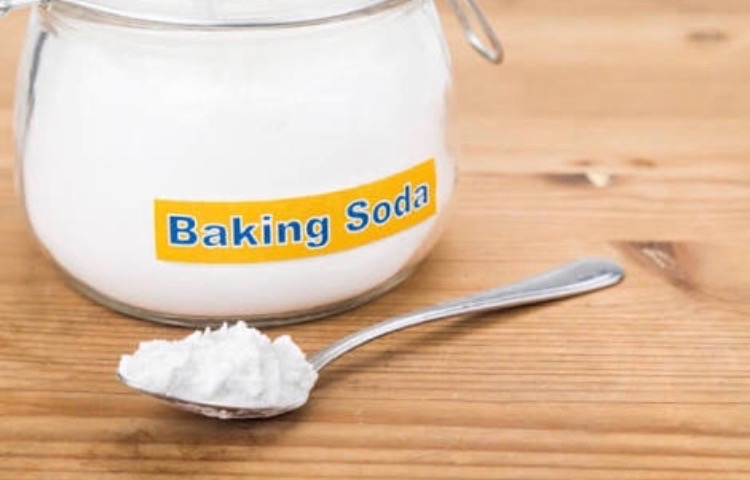
Scrub with Baking Soda


baking sodaSprinkle baking soda on the eatables featuring hard skin. Rub gently to make it work. Finally, wash with water to get the non-toxic food.

Use Apple Cider Vinegar


apple cider vinegar
The organic apple scrap vinegar can be used in the similar way as white vinegar is used. The benefit of using this flavour of vinegar is – it will not worsen the taste and smell for the porous foods.

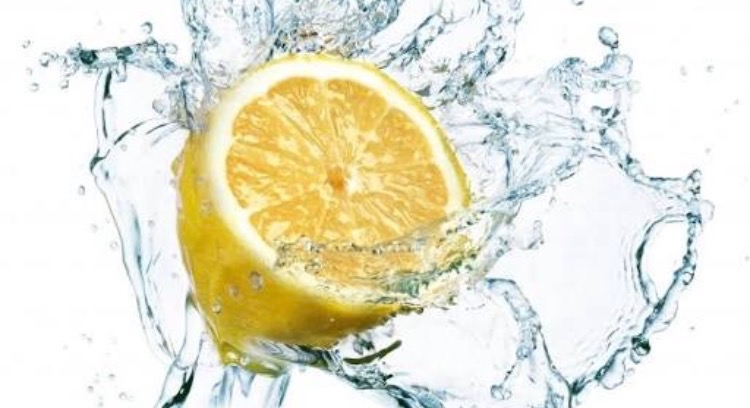
Lemon/Citric Acid Wash


This solution can be used to wash all veggies and fruits. Mix lemon juice and water and let the food soak the solution. Wash with water to get the desired harmless foodstuff.

Hope you have liked it ! Thank you


Do’s and Don’ts for Healthy Digestion

13 Do’s and Don’ts  for Healthy Digestion You may think you are eating  healthy  foods. But  how  you eat your food is even more impo...